Understanding the Process of Getting Dental Crowns in Los Angeles CA
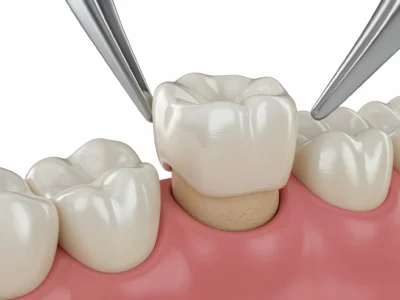

A dental crown sounds simple on paper. The tooth is weakened, damaged, or heavily restored, and a custom cap goes over it to protect what remains. In the chair, though, the process is more nuanced. The right crown can restore a cracked molar, save a root canal tooth from splitting, improve a front tooth that has worn down over time, or stabilize a bite that has been drifting for years. The wrong approach can leave a patient with lingering sensitivity, a bite that feels high every time they chew, or a restoration that looks technically acceptable but never feels quite right.
That gap between the basic description and the lived experience matters, especially in a city like Los Angeles. Patients here often come in with full calendars, strong aesthetic expectations, and a wide range of treatment philosophies available to them. Some want the fastest route back to function. Others care most about natural appearance. Many want both, and reasonably so. If you are considering Dental Crowns Los Angeles CA, it helps to know what the process actually looks like from first exam to final cementation, and what can affect the outcome along the way.
Why a dentist recommends a crown in the first place
Not every damaged tooth needs a crown. A small cavity can often be repaired with a filling. A moderately broken tooth may be a candidate for bonding or an onlay. But once a tooth has lost too much structure, a filling alone can act more like a wedge than a repair. Every bite flexes the remaining walls, and over time those thin walls can crack.
That is one of the most common reasons dentists recommend a crown. Another is after root canal treatment. A back tooth that has had a root canal is often more brittle than before, partly because decay or fracture caused the problem in the first place, and partly because there is less healthy tooth left to distribute chewing forces. In many cases, especially on molars and premolars, a crown is placed to reduce the risk of future breakage.
Crowns also come up in cosmetic dentistry, though good clinicians are careful here. If a front tooth is deeply discolored, misshapen, or heavily restored, a crown may create a better long-term result than repeated patchwork bonding. At the same time, a conservative dentist will pause before preparing a healthy front tooth just for appearance. Veneers, contouring, whitening, or orthodontic movement may make more sense depending on the situation. A careful treatment plan weighs how much tooth must be removed against the benefit gained.
The first visit is more than a quick look
Patients are often surprised that the crown conversation starts with more questions than drilling. A dentist who is paying attention wants to know where the tooth hurts, whether the pain happens with cold, pressure, or sweets, whether the problem started suddenly, and whether there is a history of grinding or clenching. Those details matter because two teeth can look similar on an X-ray and need very different treatment.
A cracked tooth is a good example. Someone may describe a sharp, fleeting pain when releasing pressure after chewing. The tooth may have an old silver filling and almost no visible decay. If the crack is confined to the crown portion of the tooth, a crown may be the best way to hold the tooth together. If the crack extends too far down the root, the prognosis changes completely. The exam, photographs, bite evaluation, and radiographs all help determine which side of that line the tooth falls on.
In Los Angeles practices, digital imaging is common, and many offices use intraoral scanners, high-resolution photos, and magnification to evaluate a tooth before treatment. Technology helps, but judgment still drives the decision. A beautiful scan cannot tell you whether a patient clenches at night or whether the tooth has been taking excessive force because of an old bite imbalance. Good crown treatment starts with understanding the mechanical problem, not just the shape of the tooth.
What happens during tooth preparation
The preparation appointment is the part most people think of when they imagine getting a crown. After the area is numbed, the dentist removes decay, old filling material, or weak tooth structure and reshapes the tooth so a crown can fit over it. The amount removed depends on the crown material and the condition of the tooth before treatment. A badly broken tooth may need substantial rebuilding before the final shape is even created.
If there is not enough healthy tooth above the gumline to retain a crown securely, the dentist may recommend a foundation buildup. That means adding a bonded core material to recreate missing parts of the tooth so the crown has something stable to grip. In some cases, especially after a root canal, a post may be placed into one of the roots to help retain that core. Posts are not automatically better, and they are not used in every root canal tooth. They can be helpful when little tooth remains, but unnecessary placement can weaken the root. This is one of those areas where experience matters.
For many patients, the surprising part is how precise the shaping has to be. A crown does not simply cover a tooth like a helmet. It needs enough clearance from the opposing tooth to allow the lab to build proper material thickness. It needs smooth margins so the edge can seal well. It needs a path of insertion so the crown seats fully without rocking. And in visible areas, the preparation has to account for how light Dental Crowns Los Angeles CA passes through ceramic and how the crown will emerge from the gumline. The difference between an average crown and an excellent one often lies in these details no one sees during the appointment.
Impressions, digital scans, and the temporary phase
Once the tooth is prepared, the dentist records its shape and the surrounding bite. In the past this almost always meant impression material in a tray. Many offices still use traditional impressions, and when done well they can be extremely accurate. Increasingly, though, dentists in Los Angeles use digital scanners. A scanner creates a 3D model of the prepared tooth, neighboring teeth, and bite relationship. For many patients, it is more comfortable and often faster.
That data goes to a dental laboratory or, in some offices, to an in-house milling system. If the office offers same-day crowns, the restoration may be designed, milled, adjusted, and delivered in one extended visit. That can be convenient, especially for busy professionals who do not want to return for a second appointment. Still, convenience is not the only variable. For highly cosmetic front teeth, complex bite cases, or situations where layered characterization matters, a skilled laboratory technician can bring an extra level of artistry. Same-day dentistry is excellent in the right cases, but it is not automatically the best answer for every tooth.
If the final crown is not delivered that day, the dentist places a temporary crown. Patients often underestimate how important that temporary is. A well-made temporary protects the tooth, keeps it from shifting, supports the gum tissue, and gives a preview of shape and function. A poorly fitting temporary can leave the tooth sensitive or let the gum become inflamed, which complicates the final fit.
The temporary period is also when patients learn a lot about their bite. If the temporary feels too tall, catches floss in an odd way, or causes soreness while chewing, it is worth calling the office. Sometimes the issue is minor and easily adjusted. Sometimes it reveals a deeper bite discrepancy the final crown should not reproduce.
Choosing the crown material
There is no single best crown material for every patient. The best choice depends on the tooth location, bite forces, aesthetic demands, available space, and habits such as grinding.
Porcelain-fused-to-metal crowns Dental Crowns Los Angeles CA were once the standard almost everywhere. They remain useful in some cases, particularly where strength is important and aesthetics are less critical. Their downside is that over time the metal substructure can show as a dark line near the gum, especially if the gums recede.
All-ceramic options, including lithium disilicate and zirconia, have become far more common. Lithium disilicate can look very natural, which makes it a strong option for many front teeth and premolars. Zirconia is known for strength and has improved significantly in appearance, making it popular for back teeth and many full-mouth restorative cases. Some dentists favor layered zirconia or other higher-aesthetic ceramics in visible zones to balance durability and lifelike translucency.
This is where an honest conversation matters. A patient may request the “strongest” crown without realizing that strength alone does not guarantee the most natural look. Another may prioritize cosmetic appearance and not understand that a severe grinder can chip more delicate porcelain. Good treatment planning is often about matching the material to the job rather than chasing the newest or most expensive option.
The second visit, seating the final crown
At the delivery appointment, the temporary crown is removed and the underlying tooth is cleaned. Before the crown is permanently cemented or bonded, the dentist checks several things. The fit at the margin must be precise. The contact with adjacent teeth must be snug enough to prevent food packing but not so tight that floss shreds. The bite must be adjusted so the crown shares force appropriately with the rest of the teeth.
Patients often focus most on how the crown looks, and understandably so, especially in the smile zone. But from a functional standpoint, the bite check is where many long-term successes or frustrations are shaped. A crown that is even slightly too high can leave the tooth sore to pressure and can sometimes trigger jaw fatigue or headaches in sensitive patients. Experienced dentists usually make fine adjustments with articulating paper, then have the patient tap, slide, and bite on different textures to confirm that the crown feels integrated rather than prominent.
If the crown is on a front tooth, shade and surface texture deserve equal attention. A natural tooth does not look like a flat block of paint. It reflects and diffuses light. It has subtle translucency at the edge, tiny variations in value, and a surface luster that should match neighboring teeth. In more aesthetic cases, some Los Angeles practices schedule custom shade appointments with the lab or provide detailed photo protocols to improve the match. That extra step can make a visible difference.
How long the process takes in Los Angeles practices
There is no universal timeline, but most conventional crown cases take two visits over one to three weeks. Same-day crowns compress that into a single visit, often lasting a few hours. If additional procedures are needed, such as gum contouring, root canal treatment, or buildup on a severely broken tooth, the timeline expands.
Scheduling in Los Angeles can shape timing more than people expect. Some offices reserve longer blocks for complex restorative work. Others can see emergency crown cases quickly but may need a later date for the definitive appointment. If a tooth is cracked and painful, many dentists will prioritize stabilization first, sometimes with a sedative filling or temporary coverage, then finalize the crown once symptoms settle.
Traffic and work schedules also influence how patients choose care. It is common for someone to ask whether a same-day crown is “worth it” simply to avoid an extra cross-city drive. Often it is. But if the case requires nuanced aesthetic layering, extensive bite rehabilitation, or close laboratory collaboration, an extra trip may be the better trade.
What it typically costs, and why prices vary
Cost is one of the most common questions around Dental Crowns Los Angeles CA, and it is also one of the hardest to answer with a single number. Fees vary by neighborhood, dentist experience, crown material, whether the crown is made in-office or through a lab, and whether the case involves additional work like buildup, root canal treatment, or periodontal care.
In many Los Angeles offices, a crown alone may fall somewhere in the broad range of roughly $1,200 to over $2,500 per tooth before insurance. That is not a quote, just a realistic spread. Highly cosmetic or complex cases can exceed that. Insurance may reduce part of the cost, but annual maximums often limit how much is covered, and some plans downgrade reimbursement based on material choice.
Patients sometimes compare crown fees the way they compare tire prices, as if the product were identical from office to office. It rarely is. The diagnostic work, prep quality, temporary fabrication, lab quality, adjustment time, and follow-up all affect value. A crown that needs to be remade because the bite is wrong or the margin traps plaque becomes expensive fast, even if the initial fee looked attractive.
Recovery and what patients usually feel afterward
Most people do well after crown preparation and placement, but a few symptoms are common in the short term. Mild soreness around the gum is expected, especially if the temporary hugged the gumline closely. Temperature sensitivity can happen, particularly if the tooth was vital and had a deep old filling. Bite tenderness for a few days is not unusual, but persistent pain on chewing should be checked.
A front-tooth crown may feel slightly bulky at first even when it is shaped correctly. The tongue is very good at detecting tiny changes. Back-tooth crowns more often create awareness when the bite is off. Patients usually describe it as hitting “first” on that side or feeling like the new tooth is taller. That should not be ignored. A quick adjustment often solves it.
Most dentists give simple guidance for the first day or two:
- Wait until numbness wears off before chewing to avoid biting your cheek or tongue.
- Be gentle on a temporary crown, especially with sticky foods like caramel or chewing gum.
- Floss carefully around the temporary by sliding the floss out to the side rather than snapping it up.
- Call the office if the bite feels high, the temporary comes off, or pain increases instead of easing.
That last point is the one patients often miss. Dentistry is not carpentry. Teeth are living structures supported by ligaments and bone, and they sometimes tell you quickly when something is off. Early adjustments are normal, not a sign of failure.
Situations that complicate the process
Not every crown case is straightforward. A tooth with decay below the gumline may need crown lengthening, a periodontal procedure that exposes more tooth structure so the crown can seal properly. A tooth with a deep crack may remain unpredictable even after a beautiful crown is made. Heavy nighttime grinding can shorten the life of any crown unless it is paired with a protective night guard.
Bite collapse is another issue seen often in adults who have spent years wearing down teeth or losing back-tooth support. In those cases, one crown is rarely just one crown. It becomes part of a larger puzzle involving vertical dimension, muscle comfort, and force distribution. A dentist who rushes through single-tooth dentistry in a complex bite can produce restorations that technically fit but fail under the larger stress pattern.
There is also the esthetic challenge of matching one front crown to natural neighboring teeth that have unique color and translucency. This can be harder than making several crowns together. One central incisor in a high-smile patient may require more planning, more photographs, and sometimes a custom temporary to shape the gum tissue before the final crown is placed. Patients are often grateful when their dentist explains that “simple” and “single tooth” do not always mean easy.
How to choose the right office for crowns in Los Angeles
With so many practices offering crowns, patients benefit from asking practical questions rather than relying only on marketing. A polished website does not tell you how carefully a bite is checked or how often an office remakes work that fails to meet its own standard.
A few useful questions can reveal a lot:
- Do you use a dental lab for crowns, and if so, what kind of communication do you send with the case?
- How do you decide between same-day crowns and lab-made crowns?
- If my bite feels off after the crown is placed, how do you handle adjustments?
- What material do you recommend for this specific tooth, and why?
- If the tooth is badly broken, how do you know whether it can be saved predictably?
Good answers tend to be specific. They should reflect your tooth, your bite, and your goals, not a generic sales pitch. If every patient is told they need the same material and the same timeline regardless of context, that is usually a warning sign.
The crown is not the end of the story
A crown restores a tooth, but it does not make that tooth invincible. Decay can still form at the edge where crown and tooth meet, particularly if plaque control is poor or dry mouth is an issue. Grinding can still crack porcelain or loosen cement over time. Gum inflammation can still expose margins and affect appearance.
The patients who keep crowns the longest usually do a few things consistently. They brush thoroughly along the gumline, floss or use interdental cleaners daily, return for routine exams, and wear a night guard when recommended. They also pay attention when something changes. Food packing, a new rough edge, or unexplained tenderness can signal a small problem before it becomes a remake.
Crowns have a reputation for being routine, and in one sense they are. Dentists place them every day. But routine does not mean trivial. A well-done crown is part engineering, part biology, and sometimes part art. When the diagnosis is sound, the preparation is conservative but precise, the material is matched to the case, and the bite is handled carefully, the result can feel almost unremarkable in the best possible way. You chew, speak, and smile without thinking about that tooth again, which is usually the real mark of success.
Simple Dental Vermont
Address: 8914 S Vermont Ave, Los Angeles, CA 90044
Phone number: +13239493000
FAQ About Dental Crowns Los Angeles CA
How much do crowns cost per tooth?
In the United States, a single dental crown typically costs between $800 and $2,500 per tooth without insurance. The ultimate out-of-pocket price depends heavily on the crown material, the location of the tooth, and whether you have dental insurance coverage.
What is the downside of crowns on teeth?
The primary downside of a dental crown is that the procedure permanently removes natural tooth enamel to shape the tooth for the cap.
Why do dentists push for crowns?
Dentists recommend crowns because a large filling cannot provide enough strength when a tooth loses a major portion of its structure or faces heavy chewing pressure.
Ends · BEAUHBCN517